
SIGN UP FOR HEALTH AND FITNESS UPDATES
Posted on 3/7/2025 at 11:29:58 AM


Posted on 3/1/2026 at 1:18:00 PM
Posted on 2/8/2025 at 3:57:00 PM
"Measure twice, cut once." - Proverb
Although one might fall into the trap of thinking that athletes are meat-heads who don't think, the reality is quite the opposite. Performing well requires focusing on numbers and math. Ask any athlete about the metrics she measures and she’ll spew off a litany of detailed numbers: amount of weight lifted, number of reps performed, number of sets completed, distance ran, minutes or seconds in each training interval, hours of sleep, glasses of water consumed, macronutrient percentages, and on and on.
Measurement is a critical requirement for making progress. If we don't know how we are performing, we can't assess what's working or not working, or how (or whether) we are moving forward towards re...
Read morePosted on 1/12/2025 at 5:55:00 AM
We know eating fruits and veggies is a part of a balanced diet. There's a ton of misinformation about fad diets and magical quick-fix health tips out there... on television, across the internet, and in books. It's often hard to distinguish between reality and fiction. Here are five facts about fruits and vegetables that I didn't know and I'm betting you don't either... yet.
Posted on 11/17/2015 at 8:02:00 AM

“My doctor told me to stop having intimate dinners for four. Unless there are three other people.” – Orson Welles
If scientists have concluded that the average temperature on the moon is about 10 degrees Fahrenheit, it certainly seems like a habitable temperature for humans, right? But what if I added that the temperature soars to over 250 degrees during the day and plummets to -250 degrees during the night? This tremendous fluctuation is primarily the result of the atmosphere’s limited ability to temper the sun’s rays when the moon is exposed, or trap heat when the moon is hidden. So, concluding that the moon had a livable temperature based on the average would not be so smart.
Although this moon example is an extreme one, the truth is that we make such false conclusions using averages (as well as medians, for the statisticians out there!) all the time. No, we aren’t going to live on the moon any time soon. But we do adjust our lifestyles all the time based on studies that look at averages. These studies can ignore our very important differences.
My Cholesterol Problem
Allow me to share a personal example of a study that impacted me. My family has a history of high cholesterol. My father takes Lipitor to manage it, and my mother eats a very clean diet to keep it in check. So, it wasn’t a shock that at age 30, my doctor prescribed me a cholesterol-reducing medication, as my “bad” cholesterol was quite high. I decided not to try the medicine and instead opt for a six-month period to adjust what I ate in order to see if I could reduce my cholesterol through better nutrition. I’m proud to say that my efforts paid off. My next cholesterol test showed results well within the normal range, somewhat surprising my doctor. I held lower blood-cholesterol levels through my mid-to-late 30’s without the assistance of medication.
And Then I Read A Study
In December 2014, the Dietary Guidelines Advisory Council, the nation’s top nutrition panel reversed nearly 40 years of strict government warnings, stating that cholesterol in the diet is no longer a “nutrient of concern.” The group continued to warn about the dangers of “bad” cholesterol in the blood, but said that the food-blood link was tenuous. A study published by The Harvard School of Public Health also found that consumption of foods high in cholesterol did not raise serum cholesterol levels. The media happily shared the “good news,” and special attention was paid to one specific cholesterol-laden food: egg yolks. For decades, egg yolks were considered unhealthy due to their high cholesterol contents (one yolk provides 62% of the USDA’s daily recommended allowance of cholesterol). The benefits of yolks were touted: a great source of vitamin A, D, and E, folate, protein, and omega-3 fatty acids.
Changing My Lifestyle
The government and Harvard had seemed to dismiss this red herring of cholesterol. It wasn’t the cholesterol we were eating that was leading to heart disease, they said, it was the amount of it and the level of saturated fats we consumed. Eggs – including the yolk – were now okay. Hurray! The tastiest, yellowiest, gooeyest part actually was good for me? Good deal. What a fool I had been for asking restaurant servers for egg-white-only omelettes all these years! How awful that I had deprived myself of eating the entirety of “The Incredible, Edible Egg!” The one hook was to keep to a one-yolk-a-day limit, the experts said, just to be safe. So I converted quickly. My daily breakfast that included a Nutribullet greens-centric juice and an egg white omelette turned into a Nutribullet greens-centric juice and a one egg omelette. I didn’t really miss the yolk, to be honest, but why would I take it out or buy pricey egg white cartons now that the code yellow warning had been lifted?
My daily routine went on for months. Then, in July, I had my annual physical. I figured it was going to be the usual routine: chit chat, give blood and urine, turn and cough, etc. And it was. But, to my astonishment, my doctor called me the following week and informed me that my “bad” cholesterol level had increased over 50 points and I had high cholesterol that needed to be addressed. We discussed what had changed in my lifestyle and diet over the last year and one thing was clear: I was eating an egg every day. I told him that I thought it was healthy, given all the research, and he reminded me of the fact that everyone is different. Everyone reacts differently to food, medicine, sleep, exercise, skin creams, sunlight, caffeine… the list goes on. We are not all the same. We are not all average. In fact, no one is average. No one has exactly average properties across every characteristic.
I had my cholesterol rechecked this week -- just three months after my last test. Most doctors don't recommend checking cholesterol so regularly since it takes time for the serum levels to adjust to behavioral changes. So, I didn't have high hopes for a dramatic turnaround from my bad cholesterol spike. However, the results were great. My overall cholesterol declined by 30 points, driven by my bad cholesterol dropping by 24 points. I think it's safe to say that the elimination of egg yolks from my diet is working for me. It may not work for everyone. It may not show up in a study. But it works for me.
Dangers of Believing in the Average
The moon may have an average surface temperature that may be habitable, and studies may conclude that the average person will not be adversely affected by the consumption of egg yolks. Yet, trusting in the average is dangerous, particularly when it comes to our health. “One trick pony, good news” diet trends have been around for a long time in our country.
In the ’30s and ’40s, smoking was widely considered a healthy way to lose weight, with cigarette brand Lucky Strike’s “Reach for a Lucky Instead of a Sweet” campaign leading the way.
In the ’50s, the industry known as “Christian dieting” exploded, with best-sellers such as “I Prayed Myself Slim,” convincing many that satisfying a spiritual hunger will lead to weight-loss.
The ’60s had The Cabbage Soup Diet, which promised dieters that they would drop 17 pounds despite the “gassy side effects.”
The ’70s entered into more dangerous territory, as miracle diet pills became the craze.
The ’80s were all about low-calorie and fat-free diets, which often resulted in over-consumption of processed foods.
The ’90s was the decade of the low-carb Atkins diet. “Eat all the fat and calories you want, but stay away from carbs and you’re good to go” went the mantra. It’s certainly a great example of a “one trick pony, good news” diet.
These days, we have all sorts of diets: gluten-free, organic-only, high-protein, and even, yes –I can’t make this stuff up – The Egg Diet. While I’m sure all of these diets “work” for someone, they do not work for all. Just as exercise routines should be customized for each of our individual bodies, preferences, and schedules, what we eat must be customized as well.
Guidelines on Nutrition
Even though we do not sell or provide any nutrition products or services, I am asked all the time to offer guidance on how someone can lose weight, get a six-pack, or just eat better. Aside from saying I’m not an expect and advising them to consult one, I say “it depends on you.” So, my request to you is that the next time you read another headline about the benefits of X or the drawbacks of Y, think about it in the context of your life. Do not take the average studies as gospel, especially when they recommend altering your lifestyle in a way that may be dangerous to your health.
We'd love to hear from you. How do you incorporate findings from all the health studies out there into your lifestyle? Comment below or on our Facebook page at facebook.com/flytefitness or tweet us at @flytefitness.
Be Flyte Fit,
Jeremy Greenberg
Co-Founder & CEO
Flyte Fitness
P.S. DON’T FORGET TO SIGN UP FOR FITNESS UPDATES! CLICK THE BOX AT THE TOP OF THIS PAGE!
Posted on 10/20/2015 at 9:01:00 AM
Posted on 9/29/2015 at 11:54:00 AM

"Bullying is killing our kids." - Cat Cora, chef
While bullying isn't new, cyber-bullying is quicker, easier, and has a wider reach. Just as we can now protest by tweeting a brief note followed by a hashtag, bullies can hide behind the comfort and secrecy of their social media apps.
The first major bullying research was conducted by Norwegian psychologist Dan Olweus in the 1970s. Olweus was motivated by a series of school-age suicides by victims of bullying. He found that bullies seek to gain the affection of others while picking on those they view as vulnerable. Gay and lesbian teens get bullied up to three times more than their heterosexual peers.
I imagine nearly all moviegoers rooted against bullies Biff Tannen in Back to the Future and Regina George in Mean Girls. We empathize with the "little guy." Back in the school hallways, however, life is very different. Bullies generally get away with their behavior because bystanders tacitly support them by not intervening. The consequences of bullying can be catastrophic. Suicide is the second-leading cause of death for adolescents in the U.S. and the number one cause in many countries across the globe. Social isolation – often through bullying – is a significant driver. With nearly 20 percent of students in the U.S. reporting that they are being bullied on school property, this is an important issue for us to address.
We have published blogs on research that touts the benefits of exercise on mood, stress, and energy. However, until now there has not been a comprehensive study on the impact of exercise on suicide rates of bullied children.
A study by the University of Vermont evaluated the impact of exercise on suicide rates of teenagers who report being bullied. Over 13,500 high school students who were part of the CDC's National Youth Risk Behavior Survey were carefully tracked. The bullied students who were physically active four or more days per week had a 23 percent lower rate of suicidal ideation and attempts compared with bullied students with less regular activity. The more active group also reported reductions in sadness.
The study's lead author, Jeremy Sibold, associate professor and chair of the Department Rehabilitation and Movement Science at the University or Vermont, said, "Even if one kid is protected because we got them involved in an after-school activity or in a physical education program it's worth it."
This finding comes out at a time when physical education programs are getting slashed across the country. Although physical education has been linked to reduced obesity and improved academic performance, it is being sidelined in favor of classes that are fixated on boosting test scores. Harvard professor Dr. John J. Ratey, said, “There is shrinking P.E. for our kids,” Dr. Ratey. “P.E. teachers are fighting like cats and dogs to hold the line on their jobs and worth, at the same time as there is a dawning awareness that we have missed the boat.”
Nearly half of all high school students reported that they had no physical education classes in an average week, according to the Center for Disease Control and Prevention.
The University of Vermont study concludes: "Considering the often catastrophic and long-lasting consequences of bullying in school-aged children, novel, accessible interventions for victims of such conduct [such as physical activity programs] are sorely needed."
René Veenstra, a sociologist at the University of Groningen in the Netherlands, says that 85 percent of bullying cases occur to gain attention. Let's work on increasing the attention that is given to proven measures, including exercise, to help victims of bullying.
We'd love to hear from you. How have your experiences with bullying affected you and how has exercise helped you deal with them? Comment below or on our Facebook page at facebook.com/flytefitness, or tweet us at @flytefitness.
Be Flyte Fit,
Jeremy Greenberg
Co-Founder & CEO
Flyte Fitness
P.S. DON’T FORGET TO SIGN UP FOR FITNESS UPDATES! CLICK THE BOX AT THE TOP OF THIS PAGE!
Posted on 9/22/2015 at 8:24:00 AM
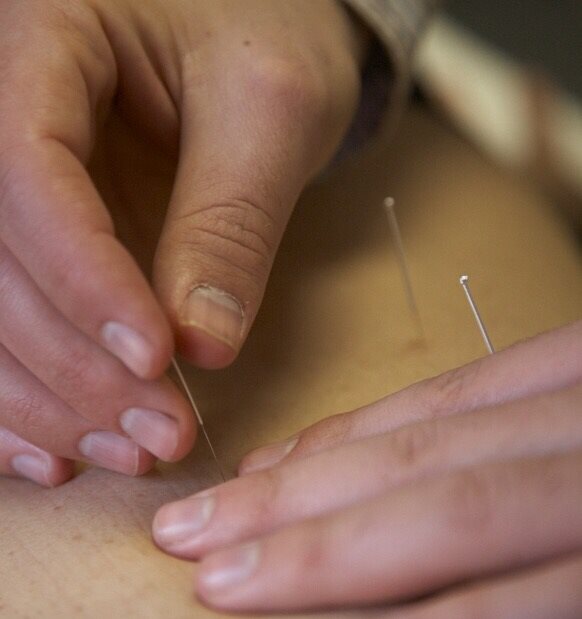
"I’m scared of needles." - Miami Heat star Dwyane Wade
Ever since witnessing the immense spectacle that is The Boston Marathon while attending college just outside Boston at Brandeis University, I had had visions of running through the finish line on Boylston Street to a thunderous ovation of amped-up Bostonians.
In late 2010, inspired by my college buddy Scott, I had just completed my first half marathon. I decided to embark on the long training journey required to prepare for my first full marathon. It wasn’t just any marathon that I chose as my first, it was Boston. I believed it would be my first and last, and I wanted it to be Boston.
I managed to circumvent the challenge of qualifying for the event by volunteering to...
Read morePosted on 9/15/2015 at 1:57:00 PM

"Between the fifth and sixth grades, children reduce activity levels an average of 50 percent" - Rod Dishman, professor of kinesiology at the University of Georgia
Posted on 9/8/2025 at 10:45:00 AM