

SIGN UP FOR HEALTH AND FITNESS UPDATES
Posted on 3/7/2025 at 11:29:58 AM


Posted on 3/1/2026 at 1:18:00 PM
Posted on 2/8/2025 at 3:57:00 PM
We know eating fruits and veggies is a part of a balanced diet. There's a ton of misinformation about fad diets and magical quick-fix health tips out there... on television, across the internet, and in books. It's often hard to distinguish between reality and fiction. Here are five facts about fruits and vegetables that I didn't know and I'm betting you don't either... yet.
Posted on 11/17/2015 at 8:02:00 AM

"Between the fifth and sixth grades, children reduce activity levels an average of 50 percent" - Rod Dishman, professor of kinesiology at the University of Georgia
Posted on 9/8/2025 at 10:45:00 AM
“You better cut the pizza in four pieces because I’m not hungry enough to eat six.” – Yogi Berra, Hall of Fame Major League Baseball Player
Our company, Flyte Fitness, is an exercise equipment company. I am very proud of the Core Flyte stability trainers that we offer, as well as our classes, workout programs, and exercise videos. Working out – whether at home, at the gym, or on the road – is critical to living a healthy life. I write often about the benefits of exercise. Nutrition deserves equal, if not more, attention. Fortunately, a good friend and colleague of mine, Sohailla Digsby, offered to share her wisdom with us for this week’s blog.
Sohailla is a registered dietitian, certified group fitness instructor, author, and public speaker. She also is the owner and operator of Best Body Nutrition and Fitness. Her Best Body Countdown program is well-respected within the health community as a way to transition people into a healthier lifestyle with simple, incremental, and effective steps.
In the above video, Sohailla speaks about her philosophy on nutrition and exercise. I encourage you all to watch it.
Here are her “Countdown 5-4-3-2-1” steps that she gives her clients for making changes one at a time to improve their bodies:
5. Limit sugar to 5 grams of added sugar per day, gradually increasing to the American Heart Association’s maximum.
4. Drink 4 water bottle equivalents, two cups per bottle, each day. This should be pure water and does not include drinks such as coffee or diet soda.
3. Eat 3 balanced meals every day. Keeping our bodies fueled is very important. We make better eating decisions when we are not extremely hungry.
2. Consume 2 servings of veggies at two of the day’s meals. Make sure these are non-starchy vegetables. Potatoes don’t count!
1. Do 1 hour of moving each day. 30 minutes of vigorous activity and 30 minutes of deliberate movement that gets the blood pumping a bit.
Following these basic steps is a great way for all of us to improve our health, increase energy, and recover better from workouts. Sohailla’s clients have seen tremendous results by following these steps, with her program’s tools and her support.
Registration for Sohailla’s next Best Body Countdown program begins on August 12th. So, if you like what you hear and would like to learn more, either for yourself or for your clients, visit her site here.
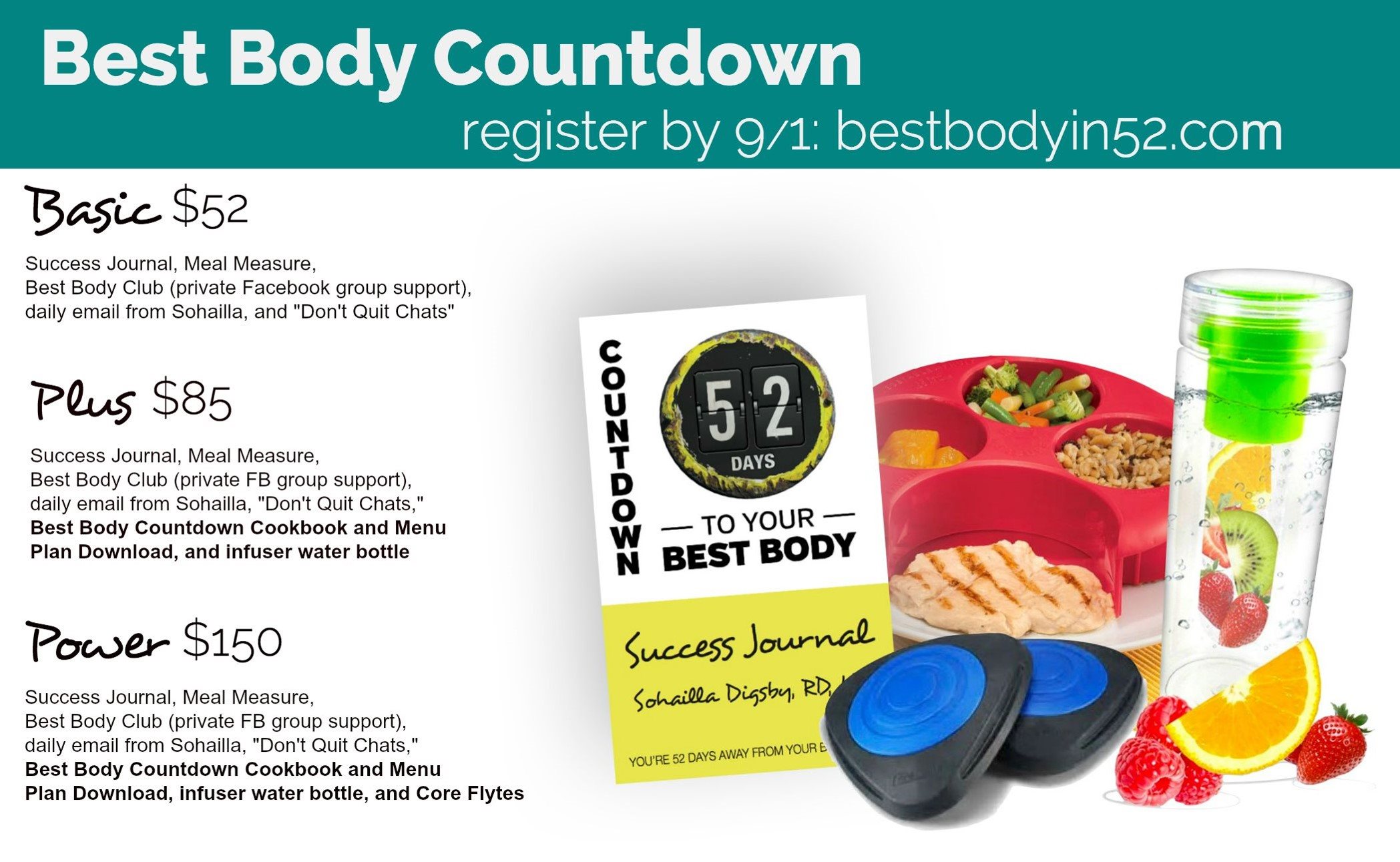
We'd love to hear from you. What do you think about Sohailla’s message on nutrition? Comment below or on our Facebook page at facebook.com/flytefitness, or tweet us at @flytefitness.
Be Flyte Fit,
Jeremy Greenberg
Co-Founder & CEO
Flyte Fitness
P.S. DON’T FORGET TO SIGN UP FOR FITNESS UPDATES! CLICK THE BOX AT THE TOP OF THIS PAGE!
Posted on 8/11/2025 at 6:05:00 AM
Posted on 7/21/2015 at 6:10:00 AM
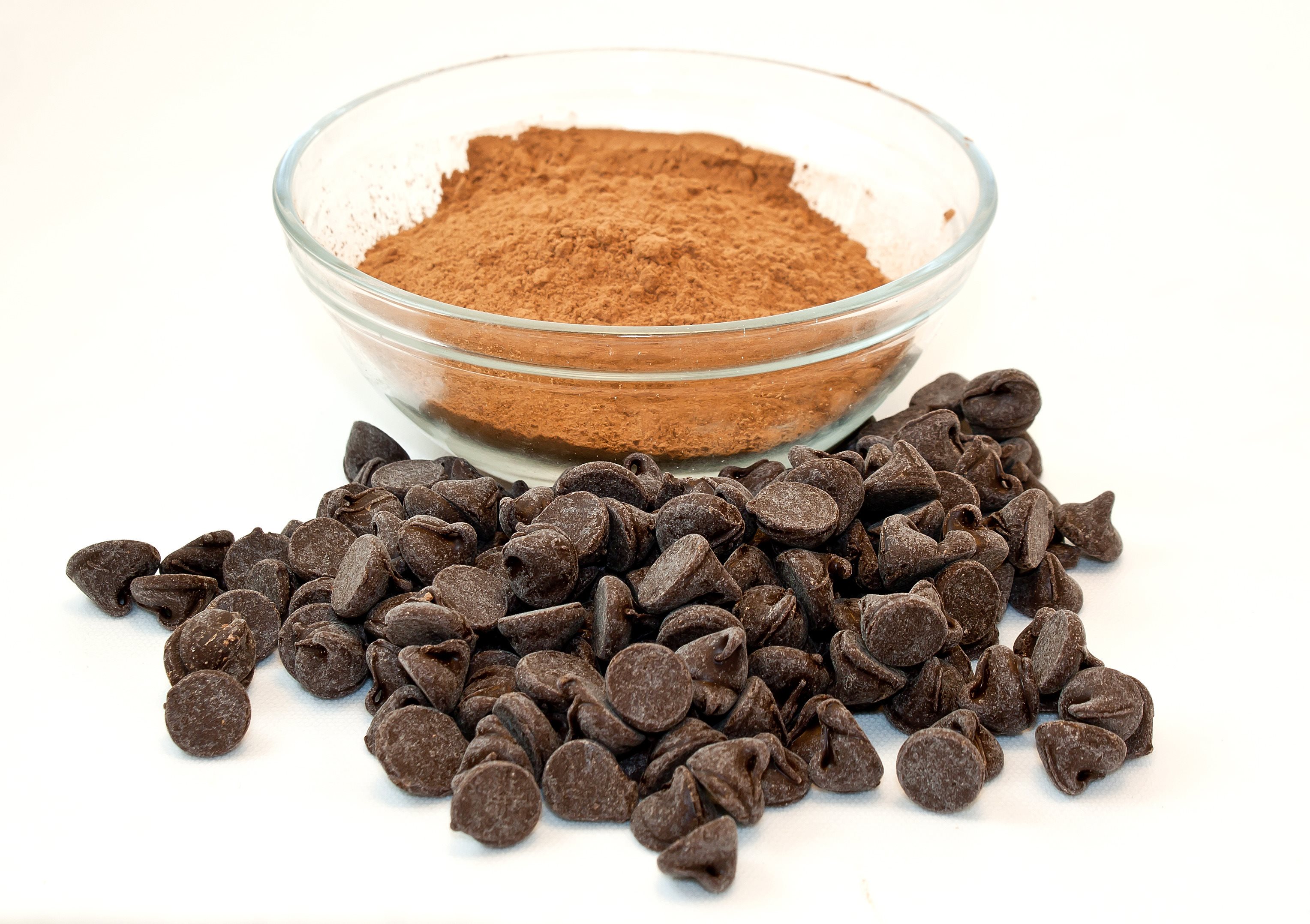
“When it comes to chocolate, resistance is futile." - Regina Brett, best-selling author
As many readers know, I’ve expressed skepticism towards health study findings that suggest that a certain behavior causes rather than correlates with a health result. As I wrote in a blog two months ago, “these studies make great headlines, but may lead us to change behaviors without actually impacting our health.”
Therefore, a recent study on the benefits of chocolate consumption to weight loss caused me to raise an eyebrow. Yes, that’s right: a scientific study published last month claims that eating more bittersweet chocolate results in faster weight loss.
Hold on. What? My skepticism kicked in when I heard about this. I reviewed my internal checklist: Was there a control group? Yes. Okay, but were groups evaluated randomly selected? Yes. Hmmm… Fine, but were the results statistically significant? Yes. The “p-value,” the chance of the result being just a random fluctuation was less than 0.05, the standard for statistical significance in scientific studies. In fact, the average chocolate-eating participants lost weight 10 percent faster than the control group.
So, it’s true: eating chocolate is the sweet secret many of us chocoholics have been dreaming about all of our lives! Articles published in The Huffington Post, Shape Magazine, and Prevention Magazine, among others, touted the findings. Shape Magazine’s article was titled “Why You Must Eat Chocolate Daily.” It turns out that my skepticism was unfounded. My hesitation to believe health studies prevented me from accepting new, correct information. I felt like the relenting laggards who finally concluded that Galileo was correct about the earth revolving around the sun. Last to the party again. And it was my fault, as usual. And this time, I missed out on weeks of chocolate binging. Sad. My sadness could only be cured, of course, by chocolate, which in turn would help me get my mankini body according to the study, and all would end well, right?
Then the bombshell dropped. It turns out that although the data from the study was technically correct, the findings were completely worthless. In fact, it was a prank. A prank that didn’t require any lies, but just the manipulation of facts, with the help of logic, to show how easy it is for us to believe statements about the benefits of things like chocolate to our health.
John Bohannon is a German journalist who led the research, which was really an experiment on our naiveté. His team recruited participants for the study from Facebook, tested them to ensure they didn’t have any dietary sensitivities, and randomized them into three groups: one followed a low-carb diet, another followed the same diet and added a one-and-a-half ounce bar of dark chocolate, and the final group served as the control group and didn’t change their diet. The three groups were weighed daily for 21 days and concluded the study with a thorough round of blood tests and a written questionnaire. 18 different measurements were evaluated, including weight, quality of sleep, and cholesterol levels.
The two diet groups each lost five pounds after the three-week period, while the control group remained the same on average. Compared to the low-carb only group, the chocolate eaters lost weight 10 percent faster, had lower cholesterol levels, and higher reported “well-being” scores from the questionnaire. Each of these differences was statistically significant.
So, what was the prank? It was a legitimate study, right? Well, for the same reason why it’s so easy for brokerages to cherry-pick a “hot stock” from a list of 100 stocks and claim they’re great at beating the market, the results were garbage. The reason is that there were only 15 total participants in the study, and with 18 measurements evaluated, there was a good chance that something would turn out to be statistically significant. As Bohannon explained, “Think of the measurements as lottery tickets. Each one has a small chance of paying off in the form of a ‘significant’ result that we can spin a story around and sell to the media. The more tickets you buy, the more likely you are to win. We didn’t know exactly what would pan out—the headline could have been that chocolate improves sleep or lowers blood pressure—but we knew our chances of getting at least one ‘statistically significant’ result were pretty good.” Bohannon’s team had a study with an intriguing finding, and then hit the accelerator on the public relations machine. They even paid freelancers to write an acoustic ballad and a rap about chocolate and weight loss to boost the excitement.
As I mentioned earlier, this study was picked up by major publications. None of them, according to Bohannon, reported that there were only 15 participants in the study. Bohannon said that this is not surprising and “for far too long, the people who cover this beat have treated it like gossip, echoing whatever they find in press releases.”
It turns out that it’s not too hard to conduct and publish a weight-loss study (Bohannon did it in about one month with limited resources). However, it’s extremely difficult to conduct and publish a valuable study. Dr. Peter Attia, a surgeon who cofounded Nutrition Science Initiative, a nonprofit, contends that even well-funded, serious weight-loss studies often result in inconclusive findings. The Women’s Health Initiative, for example, “spent $1 billion [on a diet and health study] and couldn’t even prove that a low-fat diet is better or worse,” says Dr. Attia.
So, the next time I read a new study about a surprising new cure for excess gas or special ingredient to make me taller, I’ll rely more on my skepticism, even if I read an article in a mainstream website or newspaper.
We'd love to hear from you. How do you feel about this prank? Comment below or on our Facebook page at facebook.com/flytefitness, or tweet us at @flytefitness.
Be Flyte Fit,
Jeremy Greenberg
Co-Founder & CEO
Flyte Fitness
P.S. Don’t forget to sign up for health & fitness updates by clicking the box at the top of this page!
Posted on 6/2/2026 at 7:56:00 AM
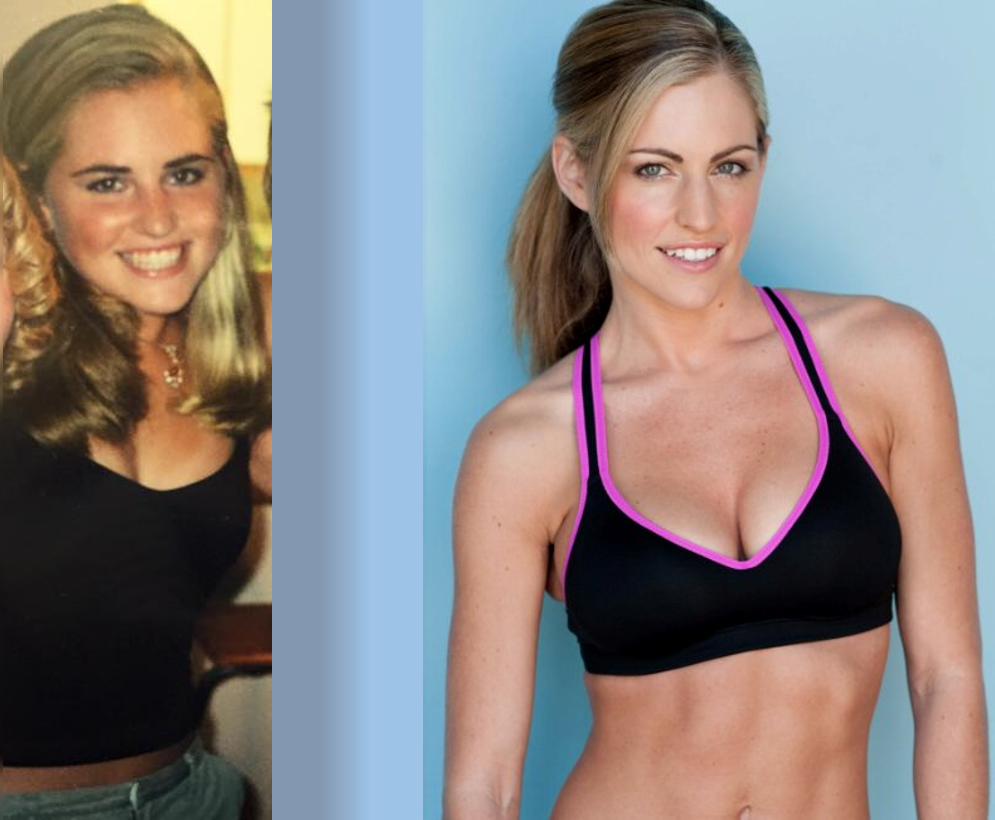
“The experience I had overcoming my weight challenges helped define me." – Amy Kiser, certified personal trainer & fitness instructor
Last week, I had the privilege of speaking with Amy Kiser, a Los Angeles-based certified personal trainer and fitness instructor. Last year, Amy was a top five finalist to become Women's Health Magazine's Next Fitness Star. She just wrapped up a Core Flyte workout video for her Body Fit by Amy YouTube Channel, and I’m excited for you all to check it out – it’s awesome!
We often celebrate fit and attractive trainers like Amy, and act like they are super-human, as if they were molded that way and haven’t had to deal with the day-to-day challenges many of us face battling weight. Amy’s life has not lacked such challenges. It’s safe to say in today’s Instagram / selfie / body image-obsessed culture that all of us are affected by body weight issues. Girls and women, no doubt, are affected the most. A recent Common Sense Media study found that 80 percent of ten-year-old girls have been on a diet. Amy suffered from weight challenges during college and learned from her experience to help improve the lives of others.
Early Years in a Healthy & Active Family
Amy grew up in Marion, Virginia, a small town in the mountains of Virginia. Although Marion didn’t have a gym within a 40-mile radius, Amy grew up in an active family. She recalls, “I always learned that exercise was part of a normal, everyday way of life. It was fun and we liked it.” Amy played sports, danced, ran, and partook in various outdoor adventures with her older sister and younger brother. Her family home was a healthy place, where she ate “something green” with each meal and candy was reserved for special occasions. Exercise, Amy says, “was never a means to an end, like burning calories,” it was for fun. It was part of her active lifestyle.
Battling Weight Gain in College
Amy left her hometown of about 5,000 to attend Virginia Tech in Blacksburg, Virginia, which had built a new gym. Like a lot of college freshmen, Amy put on the “freshman 15,” which then turned into 20, 25, and 30 pounds of additional weight by the end of her first year. What is different about Amy’s case as compared with many college students that battle weight issues is that Amy was working out… a lot. Amy recalls, “I was working out the whole time. I was cycling between trying really strict diets, and over-exercising, and having days where I just didn’t care. It was the first time in my life that I was putting on weight and I just couldn’t understand it. I thought I was doing everything right but I hated my body.”
Amy got into a routine which she refers to as “obsessive,” in which she regularly spent nearly two hours at the gym daily. She was afraid of bulking up, and avoided weight training. Her focus was on cardio… and she did a lot of it. Amy says, “I did a lot of cardio machines and classes at the gym… the treadmill, elliptical, cardio classes...”
She was hard on herself and constantly put pressure on herself to exercise more and more. Amy says, “I felt I had to account for what I was eating. If I felt I had a bad day of eating, I did more cardio. If I missed time at the gym, I felt like I had to make up for it the next day. It was a really bad brain space to be in because everything was negative. I had loved running before and I wasn’t running because I loved it anymore. I was running because I felt I had to do it.”
Intervention: A Turning Point
One day after a two-and-a-half hour long session at the gym, she returned to her dorm and her two roommates, who were (and still are) close friends of hers, confronted her. “They said they were worried about me,” Amy says. “I broke down in tears pretty quickly and told them I was unhappy. I knew I wasn’t living and I wasn’t living a healthy lifestyle. They were very supportive of me and offered to help.” Amy opened up to more friends and her family and sought the help of a counselor on campus. She realized that she was working so hard to lose weight and was being miserable in the process.
Amy credits three specific things to becoming a healthier person. First, she began celebrating her body even though she was overweight. She took pride in running races, including a half marathon. She gradually reduced her negative perception of her body, focusing on her positive accomplishments. Secondly, her diet became more balanced. She shifted from eating highly-processed “diet foods,” such as low-calorie microwave meals and diet soda, to tasty food rich in nutrients. She didn’t punish herself for having a piece of cake or a few drinks at a party. Those were no longer considered indiscretions, but rather part of a “normal life.” Finally, she began strengthening her muscles by performing weight training exercises.
During a summer break later in college, a wellness center affiliated with the local hospital opened up in Amy’s hometown. Amy was an active member of the gym, and was asked to teach a class. Initially unsure, she decided to give it a try and loved it. She became certified in both group fitness and personal training right after college and started her career.
Living a Balanced Lifestyle
Amy says, “The experience I had overcoming my weight challenges helped define me.” Today, Amy keeps photos from her overweight period in her gym spaces for her clients to see. “A lot of people think I was always in great shape,” Amy says, “but that’s not the case. As a trainer, I want people to learn to love their bodies, to be active because it’s fun, healthy, and good for them, and eat well without beating themselves up or depriving themselves. I’m not about quick results or negative reinforcement.”
Thinking positive, cutting yourself breaks, and being balanced are all very important for Amy. Amy says, “If you can’t learn to work out because you love your body and you want to take care of it, you’re not going to see long-term success.”
Battling An-Oft Superficial Industry
Amy is in an industry that can be viewed by many in a very superficial way. It’s a balancing act showing that you can help change bodies without over-emphasizing weight as the most important goal. Amy says, “The number one thing that clients tell me, when I ask what their goals are, is either ‘I want to look better’ or ‘I want to be a certain size.’ My hope is that we can change things and focus more on health.” One way that Amy helps push back against the “looks-focused” goals is by providing her clients with non-weight loss-focused challenges, such as increasing the number of pushups they do or improving their endurance. Not surprisingly, once these goals are met, weight usually follows.
Motivation Through Variety & Options
Amy launched her YouTube channel, which has over 12,000 subscribers. She frequently gets thanked for providing her audience with options and modifications. Amy does so because she believes “everyone is on their own journey.” Unlike her college years when she embraced a “more is better” attitude towards exercise, Amy now says that balance is critical. Discussing her Core Flyte experience, Amy says, “Working out is all about variety and using your muscles in new ways. I’m big on safety and I’m big on form. The Core Flyte gives you more control, better form, and safer movements. Working your body in different planes of motion improves results and it’s fun!” I know you’re all excited to see Amy’s Core Flyte workout video and I hope you enjoy it!
We'd love to hear from you. What do you find most inspiring about Amy’s story? Comment below or on our Facebook page at facebook.com/flytefitness, or tweet us at @flytefitness.
Be Flyte Fit,
Jeremy Greenberg
Co-Founder & CEO
Flyte Fitness
Posted on 5/26/2015 at 9:19:00 AM

“The number one killer in the world is 100 percent treatable." – Dr. Romsai Boonyasai, Johns Hopkins School of Medicine
We all know our age. We know if we smoke cigarettes or not. Most of us have a decent sense of our weight. We know if we exercise or not… and if we eat well (generally). These are all major factors which determine our level of health and our likelihood to fall victim to illness and disease. One measurement many of us do not regularly monitor is our blood pressure, and those of us who have high blood pressure often do not take the steps necessary to improve it.
High blood pressure, or hypertension, is referred to as the “silent killer” in the medical community because it typically has no wa...
Read morePosted on 5/19/2015 at 8:39:00 AM